
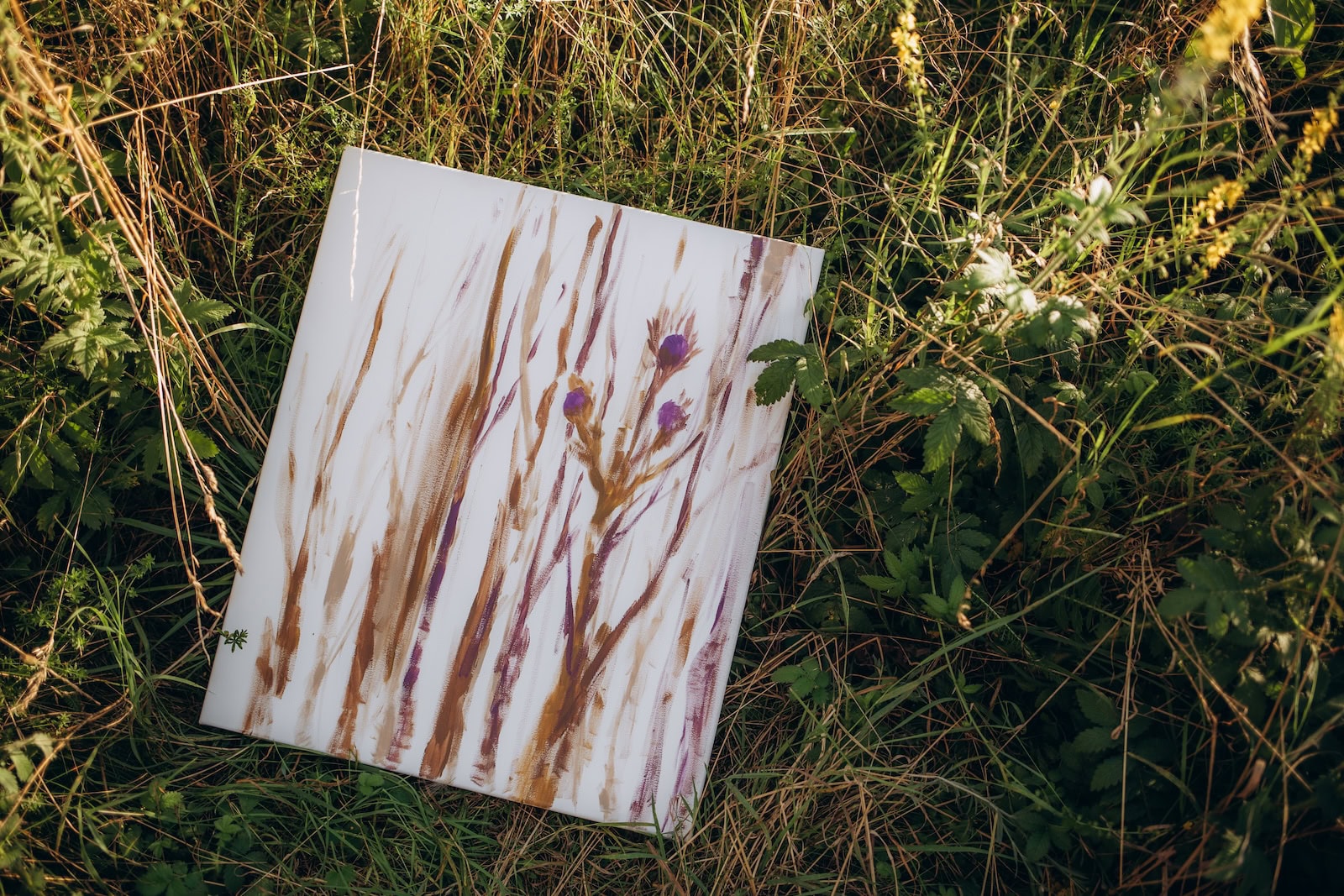
Here’s the thing nobody tells you about painting outside: it’s not really about the painting.
It’s about what happens to you when you sit still somewhere beautiful, force yourself to actually look at something, and try — imperfectly, joyfully — to put it on paper. The art is almost beside the point. The practice is everything.
And the best part? You don’t need a fine arts degree, an expensive easel, or years of lessons. You need twenty minutes, a patch of sky, and a willingness to be a beginner. That’s genuinely it.
Plein air painting is just a fancy way of saying: go outside, slow down, and pay the kind of attention that reminds you you’re alive.
There’s a specific kind of calm that settles in when you sit outside with a sketchbook or a small watercolor set. You’re not scrolling. You’re not optimizing. You’re looking. Really looking at the way light moves across a leaf, the way shadows pool under a tree, the exact complicated shade of a creek stone at noon.
The science backs this up in a way that feels kind of magical. A 2025 pilot neuroimaging study found that engaging with art in natural settings produced meaningful positive emotional responses and supported stress recovery. In other words: being outside and making something together is one of the best things you can do for your nervous system. Another study specifically on nature-based painting found measurable reductions in anxiety and improvements in states of calm.
You don’t need to be good at art for these benefits to kick in. That’s the part worth sitting with.
Disclaimer: We may earn some commission from the below product affiliate links.
Let’s clear something up: you don’t need an easel. You don’t need a fancy bag or a set of professional-grade paints. Here’s what actually works for getting started:
- A pocket watercolor set — the kind that fits in a jacket pocket. 12 colors is plenty. You can find quality sets for under $20.
- One round brush — a size 8 handles almost everything. One brush means fewer decisions, more painting.
- A small sketchbook — 9×12 inches or smaller is ideal. Small pages feel approachable. No blank-page paralysis.
- A water brush or small container — fill it at a water fountain, a tap, or a creek. Water is everywhere.
- Your body, outdoors, for 20 minutes. That’s the whole kit.
You can take this literally anywhere — a trail, a park bench, a picnic table at a campsite, a fire escape with a view. The barrier to entry is so much lower than you think.

What To Paint (When You Don’t Know What to Paint)
Sit somewhere you won’t be interrupted. Look around. Notice what your eyes keep returning to. A patch of golden light on the ground. A cluster of wildflowers along the trail edge. The ridgeline across the valley, going blue in the haze. That thing your eyes keep going back to? That’s what you paint.
Start with a loose pencil sketch if that helps anchor you. Then lay in broad, wet washes of color — don’t overthink it. Let the water do what water wants to do. The blooms, the bleeds, the happy accidents: those are features, not failures. That’s watercolor doing what watercolor does best.
After 20 minutes, look up. You’ll notice the light has shifted. Your shoulders have dropped somewhere along the way. You feel — inexplicably, genuinely — better than when you sat down. This is what we mean when we talk about creative movement. The making is the medicine.
Nature Journaling
If pure painting feels like too much of a leap, try nature journaling — a blend of observational sketching and written reflection that’s been shown to build deeper connection with the natural world, reduce anxiety, and even cultivate a sense of community and belonging.
The practice is simple: sit outside, draw what you see (even badly), and write a sentence or two about it. What does the light feel like? What sound keeps interrupting? What surprised you? Over time, these journals become something quietly extraordinary a record of your attention, your seasons, your growing ability to slow down.
Art As Movement, Movement As Art
At Workout Artist, we believe creativity and physical movement aren’t separate wellness categories. They’re the same practice, expressing itself in different ways. The walk to your painting spot is the warm-up. The act of sketching is focused, embodied attention. The slow pack-up while you study what you made is the cool-down.
Add in the full sensory experience of being outside sound, light, temperature, wind, the smell of rain on dry earth and you’ve done something genuinely restorative for your whole self. Body. Mind. Creative spirit. All of it. Together.
You don’t need to be an artist to paint outside. You just need to go outside. The artist part? That tends to follow.
Disclaimer: We may earn some commission from the below product affiliate links.
Kit Items
Beginner kit
Purchase all kit items
deluxe kit
Purchase all kit items
Pocket watercolor set


Round brush, size 8


Small sketchbook


Water brush
