
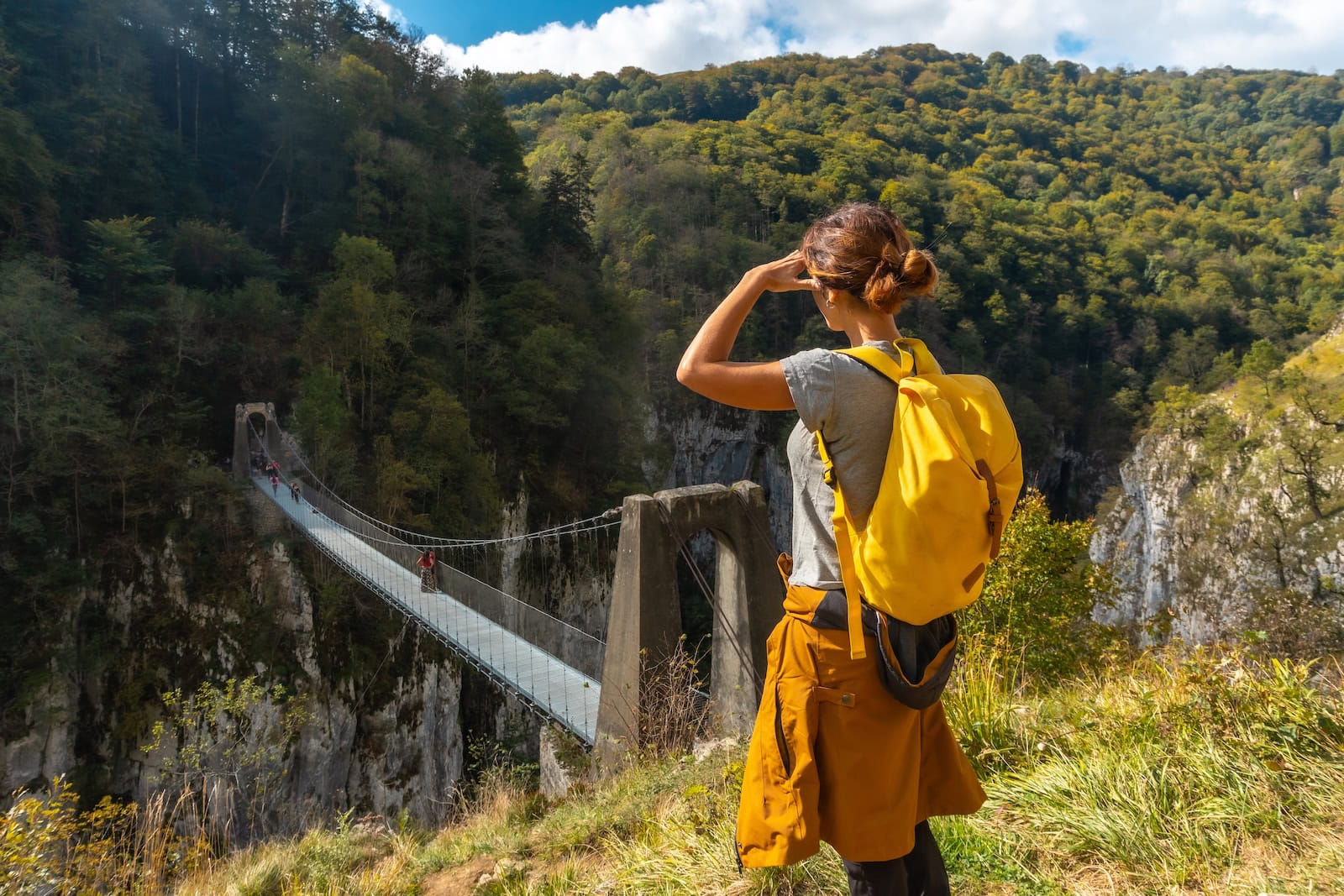
Here is what planning a trip actually looks like for most people. Three hours on a Saturday. Seventeen browser tabs. Four booking sites that all show rates within a dollar of each other. Forty minutes reading reviews on a property to figure out which room faces a wall and which one faces the mountains. And a quiet, persistent feeling that you are probably missing something you will only find out about when you arrive.
That is a lot of time to spend arriving at the same place an algorithm would have sent you anyway.
The travel landscape has shifted in ways that make this less necessary than it used to be, and the shift is moving faster than most people realize. Travel agency market share is projected to reach 26% by 2026, while online travel agencies are expected to dip to 21%. The reversal reflects something travelers have been figuring out: what you get when you book alone is not the same as what you get when someone who knows the landscape builds the trip for you.
What the Data Actually Shows
The American Society of Travel Advisors found that travel advisors save clients an average of $452 and four hours of planning time per trip. 63% of travelers said using an advisor made their overall trip experience better, and 69% reported that advisors saved them meaningful time in planning and booking.
Those numbers are conservative and apply to straightforward travel. For complex international itineraries, boutique lodge access, and trips where the details actually matter, the gap is wider.
What AI Can and Cannot Do
AI can build you an itinerary in thirty seconds. It can also recommend a property that photographs beautifully from the outside and puts you in a room facing a service entrance. It can suggest a hiking route without knowing that trail access closes in October. It cannot call the lodge manager directly, read a room from experience, or know that one specific property in the Norwegian fjords has a private viewpoint that guests can access at sunrise if they ask the right way.
In late 2025, 46% of trips taken by Americans already involved AI in the planning phase. At the same time, 47% of Americans say they would be concerned about a trip planned fully by AI without human oversight. The concern is well-placed. The knowledge that makes a trip genuinely good lives in relationships and direct experience. Both require a person.
What Working with a Fora-Affiliated Advisor Actually Gets You
Fora advisors are part of every preferred partner hotel program, which provides enhanced amenities including complimentary breakfast, hotel credits, room upgrades, and late check-out at thousands of properties worldwide. When a hotel partner sees you are a Fora traveler, they put you at the front of the line for upgrades in a way that credit card perks alone do not guarantee.
These perks come at the same rates as booking direct. If prices drop after you book, your advisor handles it. You pay what you would have paid anyway. You arrive to something better.
Beyond room upgrades, Fora advisors unlock airport transfers, VIP amenities, and hotel credits across their partner network. At a ten-room boutique lodge in Fiordland or a small fjord property in Norway, that means a complimentary resort credit worth a full dinner, or a room upgrade that is the difference between looking at the mountains and looking at the car park. Small lodges do not have extra rooms to give away casually. They give them to guests who arrive through the right relationship.

Why This Matters Even More for Nature-Intentional Travel
Booking a large resort is relatively forgiving. A property with 300 rooms has enough inventory that most rooms work adequately. A lodge with twelve rooms does not have that margin. Getting the right room, at the right time of year, with trail access and light conditions that match what you actually came for, requires someone who has thought about it before you get there.
Modern advisors evaluate options to build itineraries matched to your specific goals, using direct connections to secure room locations, value adds, and perks that do not surface clearly on consumer booking sites. For the kind of travel Hike & Hue Travel plans, where the morning light on a fjord matters as much as the thread count, and where which week you go determines whether the trail is open, that expertise is the actual point.
Booking it yourself gets you a trip. Someone who knows what they are looking for builds you the one you were actually trying to take.